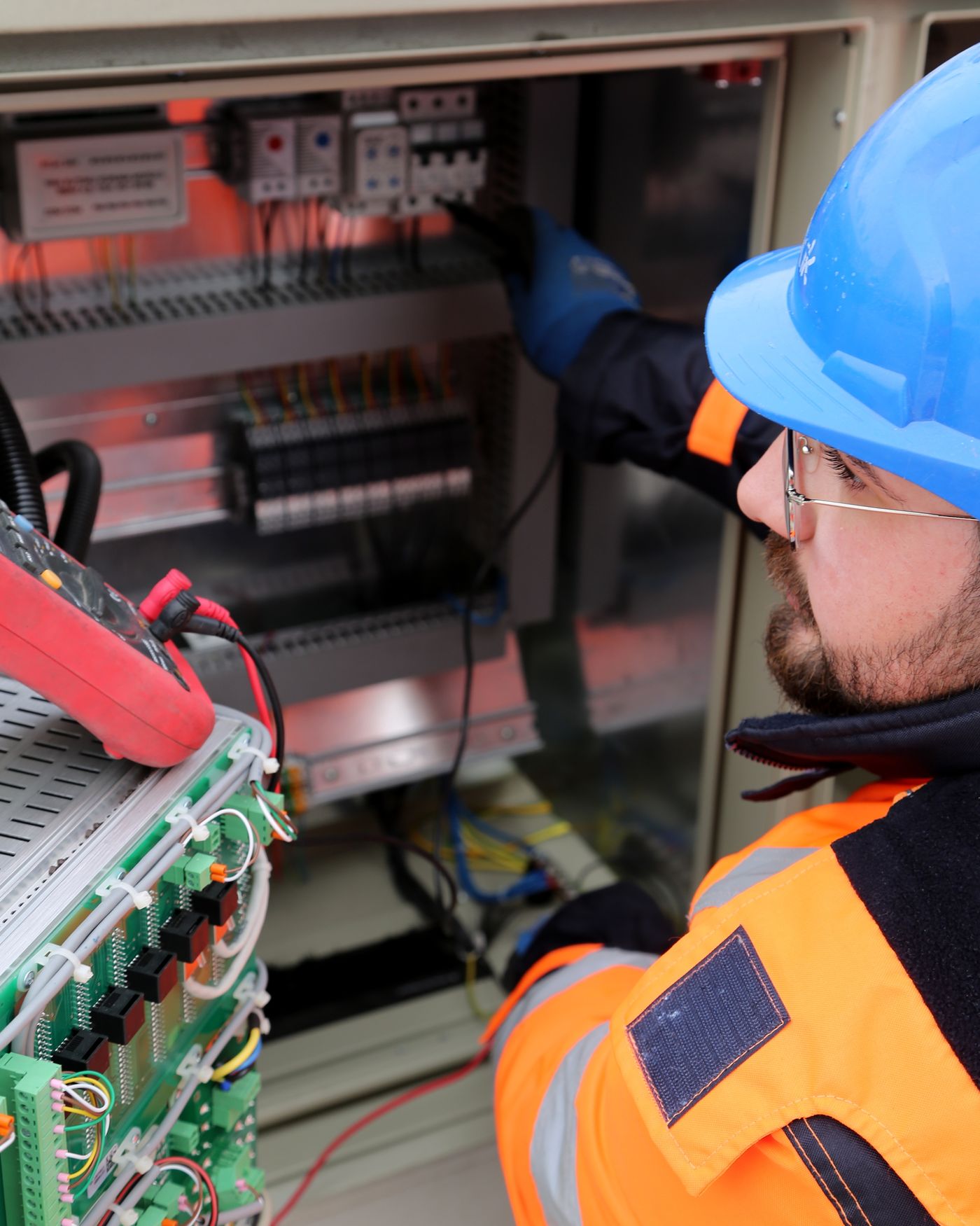
Electrical work scoped around the actual need
Test and tag is most useful when it forms part of a wider equipment management process. Visual condition, correct use, storage and prompt removal of damaged items remain important between test dates.
How the work is approached
Every site is different, but the following sequence provides a practical starting point for planning and delivery.
- Confirm equipment groups and site environment
- Create or update the asset list
- Complete visual inspection and electrical tests
- Tag passed equipment and identify failures
- Provide records and next-test information
- Plan recurring visits based on site needs
Important planning considerations
Electrical work should match the equipment, building construction and existing supply. Access, expected load, isolation, product environment and future upgrades can all change the recommended solution.
Clear information helps avoid rework
Photos of the switchboard, the work area and equipment rating labels are useful. For renovations or commercial work, floor plans and marked-up layouts can improve pricing and coordination.
Frequently asked questions
Does every electrical item need testing at the same interval?
Intervals can vary by environment, equipment type and applicable requirements. A low-risk office differs from a construction site.
What happens to failed equipment?
Failed items should be clearly identified and removed from service until repaired or disposed of.
Can you maintain an asset register?
Yes. Equipment lists and test records help sites track status and future due dates.