Electrical work scoped around the actual need
A safety switch trip is a protective action, not an inconvenience to bypass. The cause should be found before repeated resetting or device replacement.
How the work is approached
Every site is different, but the following sequence provides a practical starting point for planning and delivery.
- Identify which circuits are affected
- Separate appliance faults from wiring faults
- Test device operation and circuit leakage
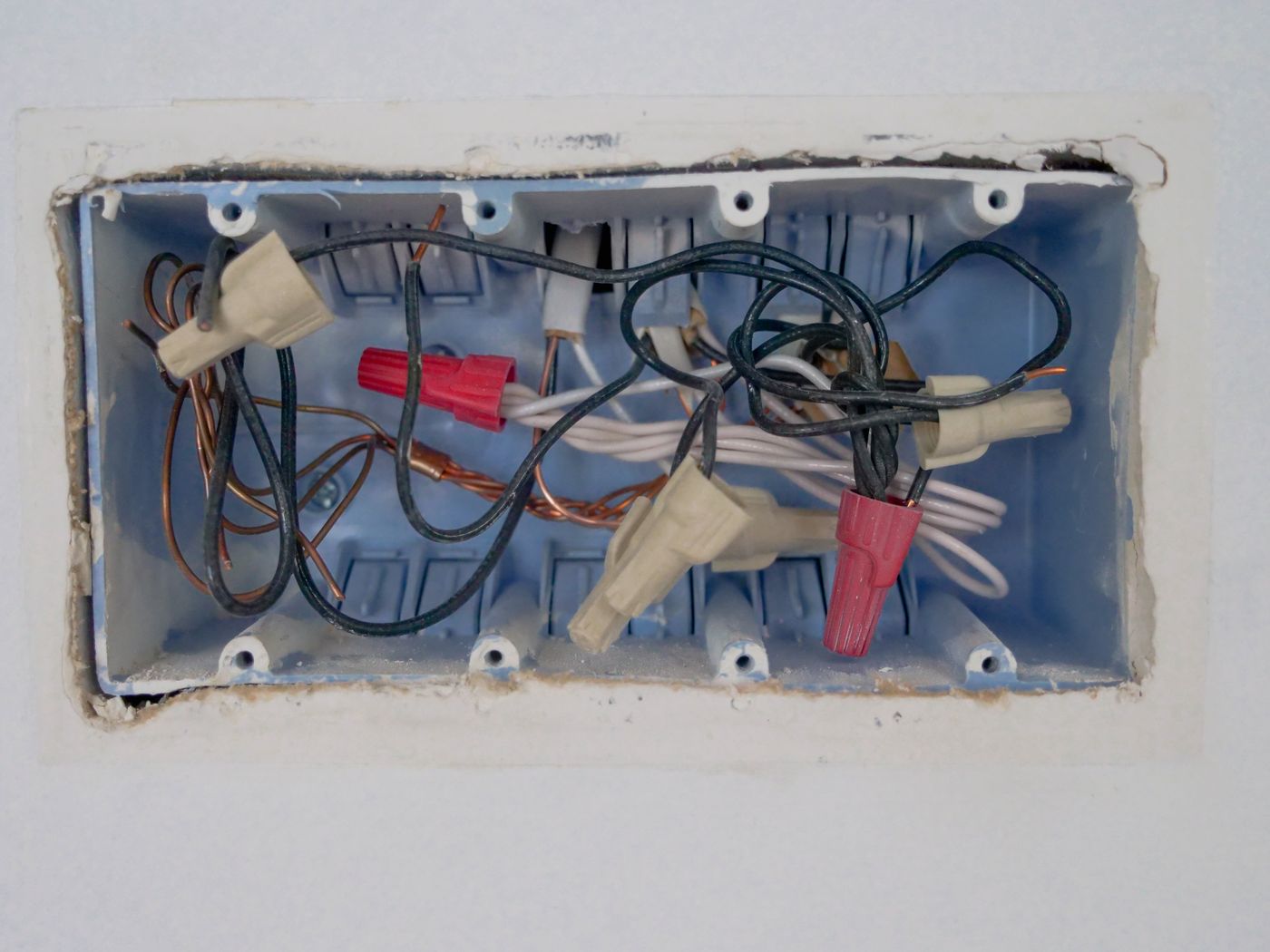
- Inspect visible wiring and connected loads
- Replace or reconfigure protection where required
- Label circuits and confirm reset procedures
Important planning considerations
Electrical work should match the equipment, building construction and existing supply. Access, expected load, isolation, product environment and future upgrades can all change the recommended solution.
Clear information helps avoid rework
Photos of the switchboard, the work area and equipment rating labels are useful. For renovations or commercial work, floor plans and marked-up layouts can improve pricing and coordination.
Frequently asked questions
Is an RCD the same as a circuit breaker?
They protect against different hazards. Circuit breakers primarily protect wiring from overcurrent, while RCDs detect leakage that may present an electric shock risk.
How often should I press the test button?
Follow the manufacturer and local guidance for your property. If the device does not trip or reset correctly, arrange an assessment.
Can one faulty appliance trip the whole house?
Depending on the circuit arrangement, a faulty appliance can trip the RCD protecting multiple circuits. Splitting protection may improve fault isolation.