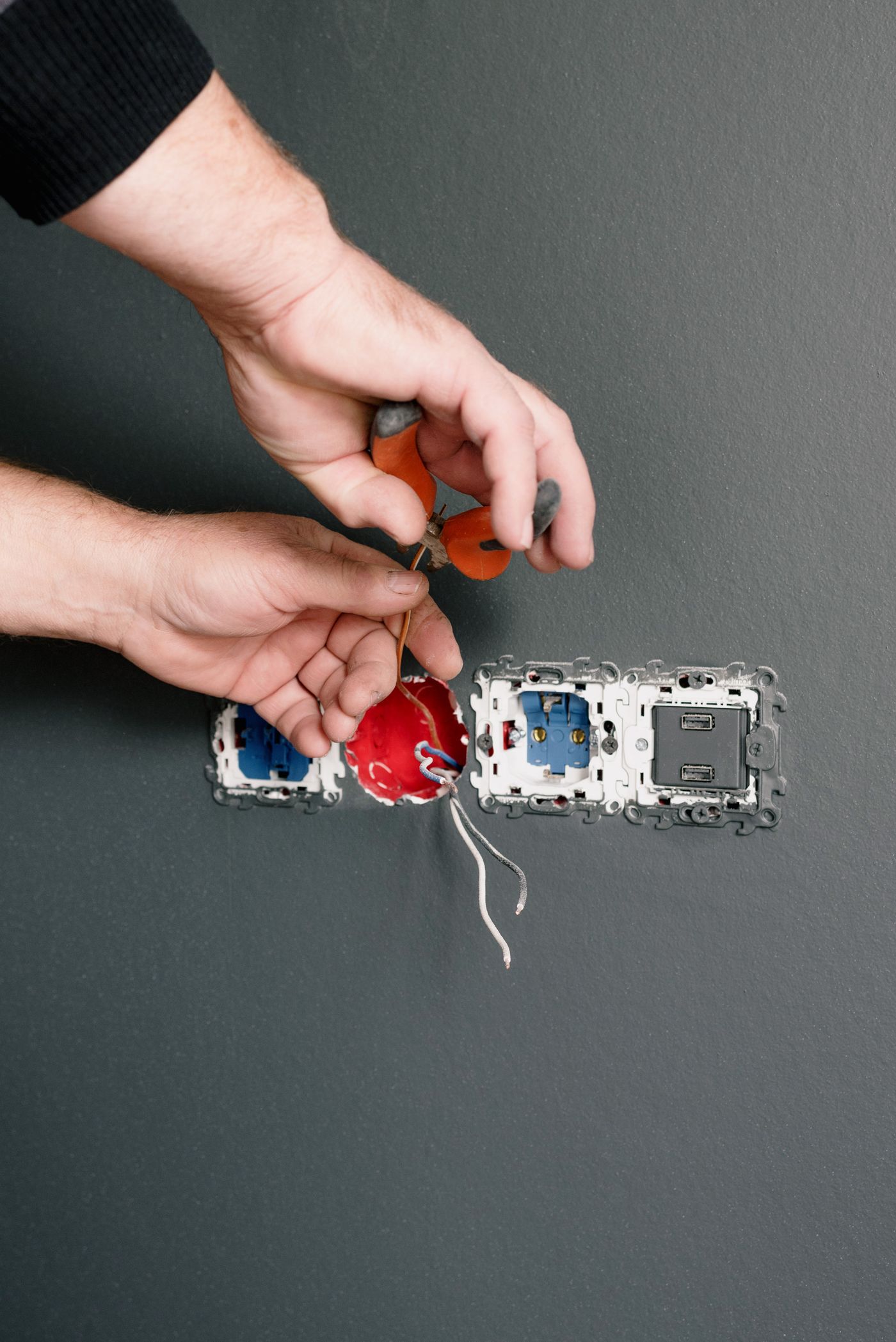
Electrical work scoped around the actual need
Urgent electrical work should never be rushed without testing. Our approach prioritises isolation, fault finding and a safe return to service rather than simply resetting a breaker and hoping the problem does not return.
How the work is approached
Every site is different, but the following sequence provides a practical starting point for planning and delivery.
- Describe the fault and any immediate safety risks
- Isolate unsafe equipment where practical without touching damaged parts
- Assess the affected circuits and likely cause
- Complete safe repairs or temporary isolation
- Test the installation before restoring service
- Explain any follow-up upgrades or monitoring required
Important planning considerations
Electrical work should match the equipment, building construction and existing supply. Access, expected load, isolation, product environment and future upgrades can all change the recommended solution.
Clear information helps avoid rework
Photos of the switchboard, the work area and equipment rating labels are useful. For renovations or commercial work, floor plans and marked-up layouts can improve pricing and coordination.
Frequently asked questions
What should I do if I smell burning near a switchboard?
Keep clear of the area, avoid touching the board and turn off the main switch only if it is safe to do so. Contact an electrician promptly. Call emergency services if there is smoke or fire.
Why does my safety switch keep tripping?
Common causes include a faulty appliance, damaged wiring, moisture or a circuit fault. Repeated tripping is a warning that needs proper testing.
Can you restore power immediately?
Many faults can be repaired during the first visit. Where damaged equipment or larger works are involved, the affected circuit may need to remain safely isolated until permanent repairs are completed.