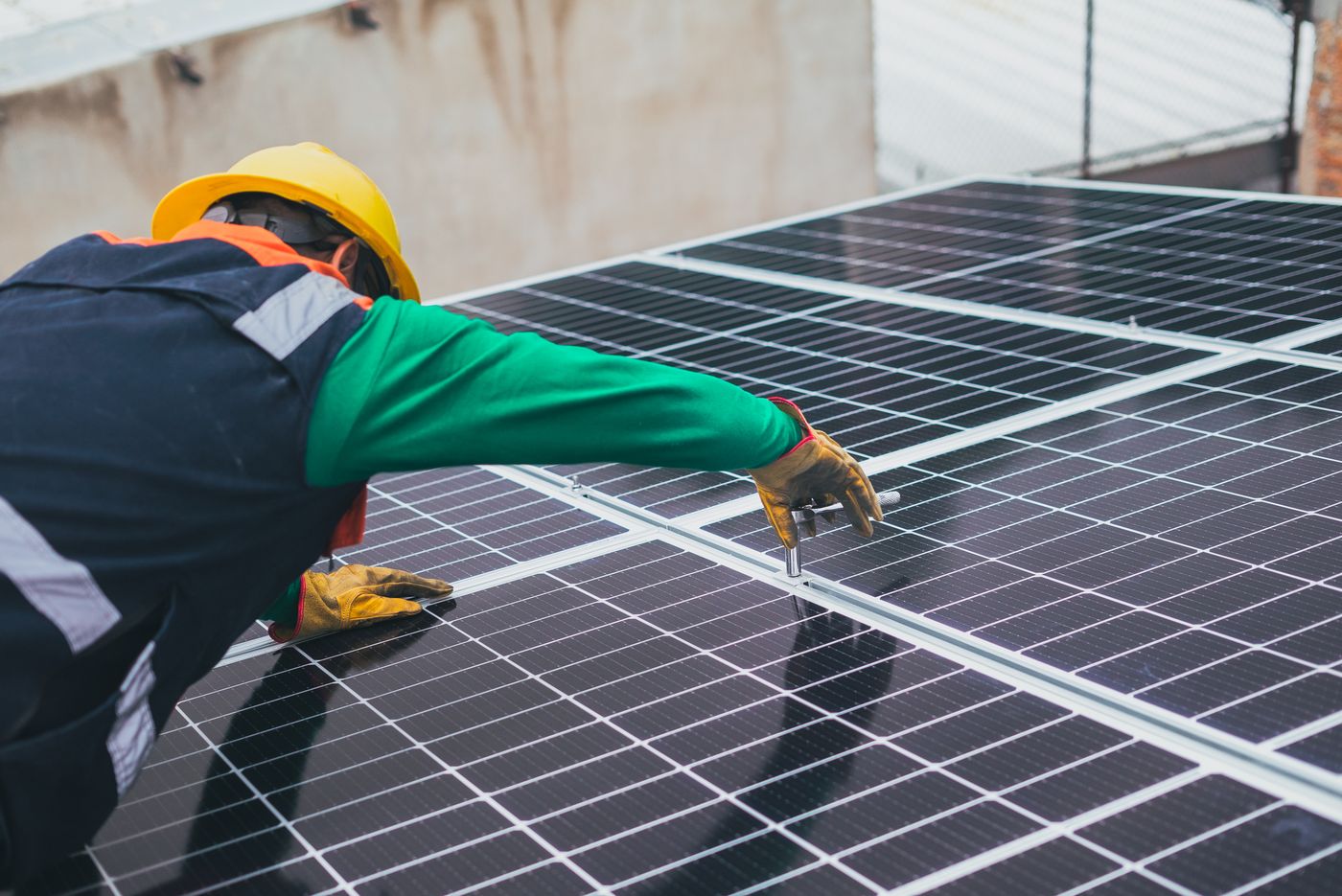
Electrical work scoped around the actual need
Solar and battery equipment must work as part of the complete property electrical system. Distribution, protection, backup boundaries and load behaviour need to be clear before installation.
How the work is approached
Every site is different, but the following sequence provides a practical starting point for planning and delivery.
- Review existing supply, board and energy equipment
- Identify essential loads and future plans
- Coordinate requirements with system designers
- Upgrade circuits and protection where needed
- Test interfaces and confirm labelling
- Explain normal, backup and isolation modes
Important planning considerations
Electrical work should match the equipment, building construction and existing supply. Access, expected load, isolation, product environment and future upgrades can all change the recommended solution.
Clear information helps avoid rework
Photos of the switchboard, the work area and equipment rating labels are useful. For renovations or commercial work, floor plans and marked-up layouts can improve pricing and coordination.
Frequently asked questions
Can a battery power the whole house?
It depends on battery output, inverter design, switchboard arrangement and the loads selected for backup.
Should an EV charger be planned with solar?
Yes. Charging controls and available solar can influence circuit and energy management choices.
Do you repair solar inverters?
Electrical faults around the supply, switchboard and connected circuits can be assessed. Specialist manufacturer or solar service support may be required for internal inverter faults.