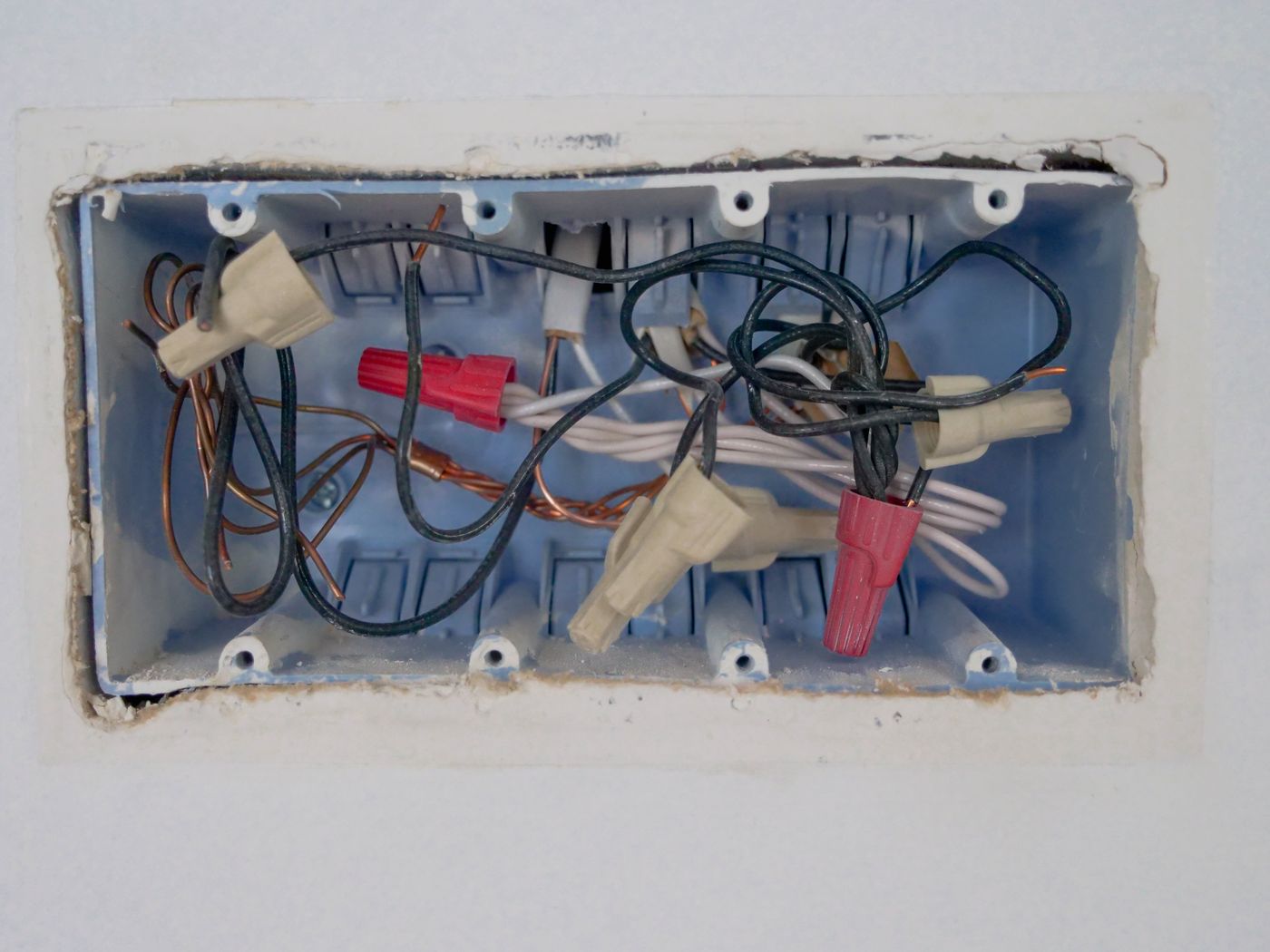
Electrical work scoped around the actual need
An inspection should distinguish immediate safety concerns from planned improvements. Clear priorities help owners budget sensibly and avoid treating every observation as an emergency.
How the work is approached
Every site is different, but the following sequence provides a practical starting point for planning and delivery.
- Confirm the purpose and scope of the inspection
- Review switchboards and accessible electrical equipment
- Test selected circuits and protective devices
- Record defects and improvement opportunities
- Prioritise urgent, recommended and future works
- Provide a practical summary for decision making
Important planning considerations
Electrical work should match the equipment, building construction and existing supply. Access, expected load, isolation, product environment and future upgrades can all change the recommended solution.
Clear information helps avoid rework
Photos of the switchboard, the work area and equipment rating labels are useful. For renovations or commercial work, floor plans and marked-up layouts can improve pricing and coordination.
Frequently asked questions
Is an inspection the same as a full compliance audit?
Not always. The scope should be agreed first because a visual condition inspection, targeted test and formal compliance audit are different services.
Can you inspect before I buy a property?
Yes. An electrical condition review can help identify obvious risks, ageing equipment and likely upgrade costs.
Will every cable be visible?
No. Concealed wiring cannot usually be fully inspected without invasive access, so findings relate to accessible areas and test results.